

Bias Detective
Inspect short decision scenes, identify the reasoning trap, and learn the question that exposes it.
- Format
- case investigation
- Rounds
- 8
Play short games that train bias detection, priority ranking, fair question writing, and probability judgment. Every result explains the reasoning skill instead of awarding points without context.
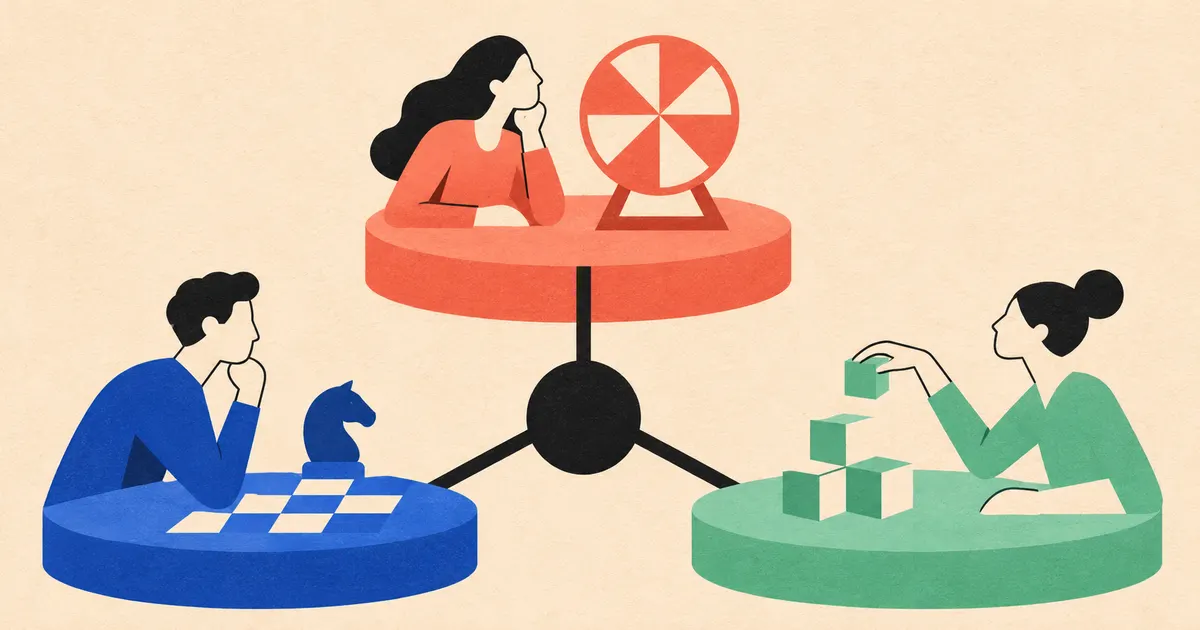
These are not reskinned quizzes. Each game uses a different interaction because recognizing a bias, ranking a tradeoff, auditing wording, and estimating probability are different skills.
Inspect short decision scenes, identify the reasoning trap, and learn the question that exposes it.
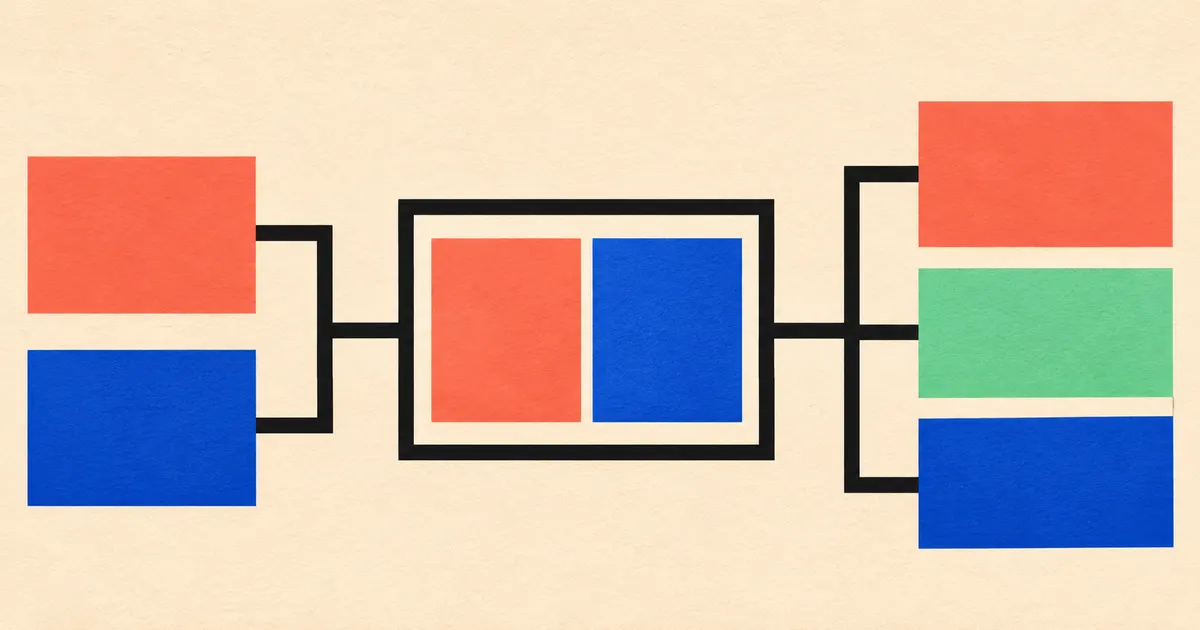
Choose between priorities in head-to-head rounds and reveal the ranking hidden inside your tradeoffs.
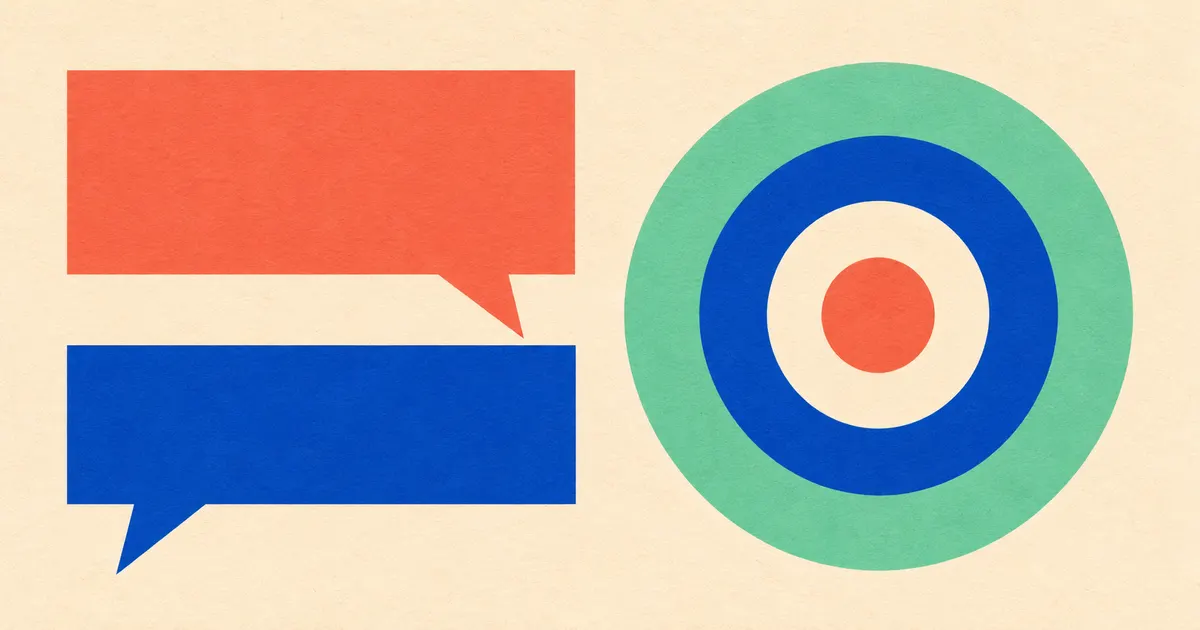
Choose the fairest wording for a poll or conversation and see which hidden cue makes the alternatives unequal.
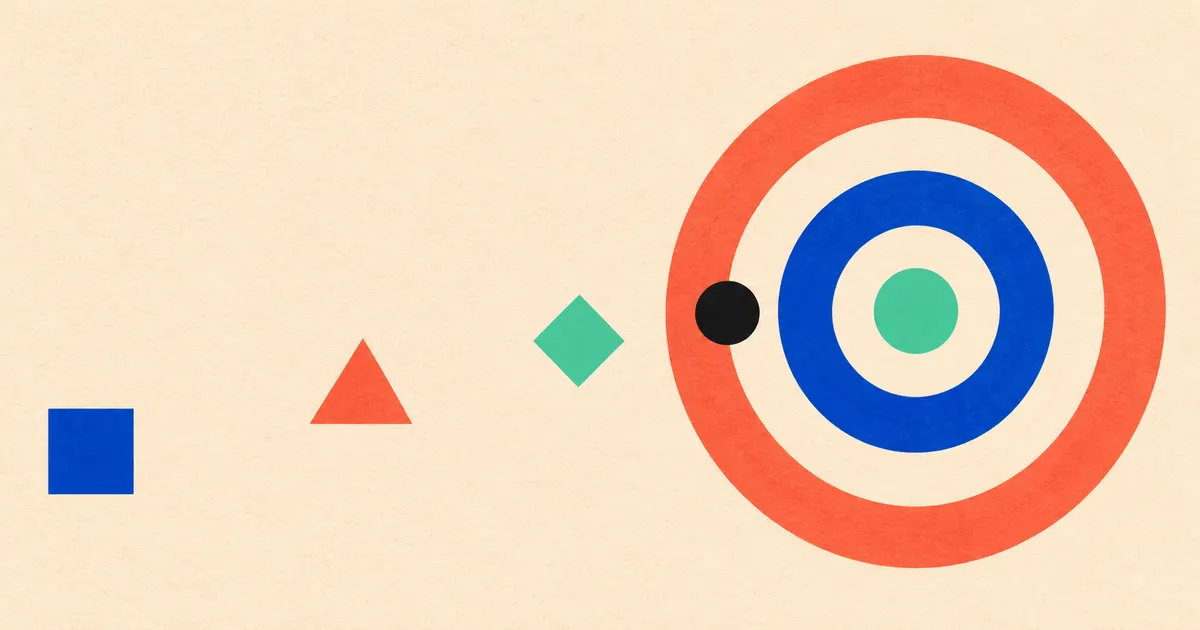
Estimate simple probabilities, reveal the exact answer, and learn whether your confidence is precise or overcommitted.
A game becomes useful when the feedback changes what you notice in a real choice. After each round, explain the answer in your own words and identify one place where the same pattern could appear outside the game.
Scores are private and remain in the browser. They are not measures of intelligence, expertise, or personality. A low score simply identifies a skill worth practicing again.
Spot the cue, imbalance, or assumption before reading the explanation.
State why the tempting answer fails instead of memorizing a label.
Use the corrective question in a real comparison, meeting, or poll.
Decision errors are often easier to recognize in someone else's short scenario than in a choice you already care about. A bounded game removes the immediate stakes, gives fast feedback, and lets you compare your first reaction with a more deliberate method.
The transfer is not automatic. Correctly naming sunk cost in a fictional project does not guarantee that you will notice it in your own project. That is why every case includes a corrective question. The question is the reusable part: it converts a label into an action that can change the decision process.
| If you want to practice | Start with | Use the skill later when |
|---|---|---|
| Recognizing distorted reasoning | Bias Detective | A meeting, sales message, or past commitment seems to control the choice. |
| Discovering what matters most | Tradeoff Tournament | A long criteria list hides which consequences you would actually trade. |
| Writing balanced either-or prompts | Fair Question Challenge | A poll or conversation may be steering people through unequal wording. |
| Matching confidence to evidence | Forecast Calibration Game | A probability sounds precise but the underlying reasoning is unclear. |
Use a game result as a prompt, not a verdict. If a bias case feels familiar, audit the evidence in your real choice. If the tournament reveals a priority, define it as an observable criterion. If question wording changes your reaction, rewrite the poll before collecting responses.
For a consequential decision, continue with the two-option comparison engine or the weighted decision matrix. The games train one part of the process; the tools preserve the full evidence record.